In recent years, we are witnessing a silent but profound revolution in the professional landscape: the emergence of applied neuroscience as a discipline of excellence, increasingly sought after in the job market. Degrees and master's programs in neuroscience applied to business, health, and performance are training professionals capable of combining an understanding of the human brain with practical applications in the most strategic sectors of the contemporary economy.
Why Applied Neuroscience Is the Future
The scientific understanding of how the human brain works is no longer confined to research laboratories. Today, this knowledge is being translated into concrete tools to improve business decisions, optimize individual and collective performance, and develop more effective and ethical marketing strategies. Companies have understood that investing in understanding cognitive and emotional mechanisms can make the difference between success and failure.
This convergence between neuroscience and practical applications responds to real needs: in an increasingly competitive and complex market, understanding decision-making processes, motivation, attention, and human behavior becomes an irreplaceable strategic advantage.
Emerging Professions: Four Examples of Excellence
Neuromarketing: Deciphering the Consumer's Mind
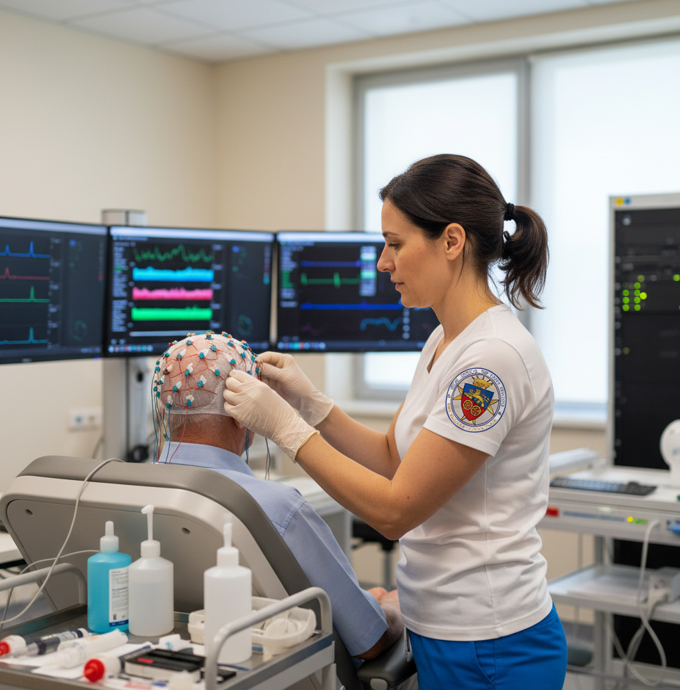
Neuromarketing represents perhaps the best-known application of neuroscience to business. These professionals use technologies such as eye-tracking, EEG, and functional magnetic resonance imaging to understand consumers' unconscious reactions to products, advertising, and shopping experiences.
Regarding the employment rate, neuromarketing experts enjoy constantly growing demand, with many professionals finding employment at large corporations, specialized advertising agencies, and as independent consultants. The sector records particularly high job placement rates for recent graduates with specific skills.
The average salary varies significantly based on experience and geographical context. In the United States, a neuromarketing specialist can earn between $60,000 and $120,000 annually, with senior professionals reaching figures above $150,000. In Europe, salaries generally range between €40,000 and €80,000 for intermediate positions, with higher peaks in Anglo-Saxon and Northern European markets.
Neuroenhancement: Optimizing Cognitive Abilities
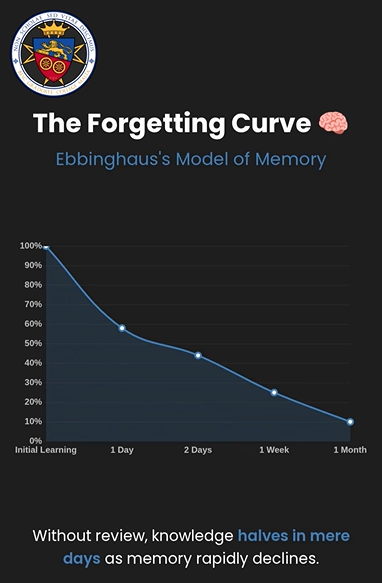
Neuroenhancement specialists develop and implement strategies to enhance cognitive abilities, from memory to attention, from creativity to stress resilience. They work with athletes, managers, students, and professionals seeking to maximize their mental performance through evidence-based techniques.
This field, still relatively new, is experiencing exponential growth in demand, particularly in areas such as professional sports, technology companies, and the financial sector where cognitive performance is crucial.
The employment rate is very promising, with many professionals operating as consultants at specialized centers or as freelancers.
Salaries for neuroenhancement experts vary considerably: specialized consultants can charge between €100 and €300 per hour in Europe, while structured positions within sports organizations or companies can offer annual compensation between €50,000 and €100,000, with significant growth potential for professionals with proven experience and demonstrable results.
Sport Neuroscientist: The Brain of the Winning Athlete
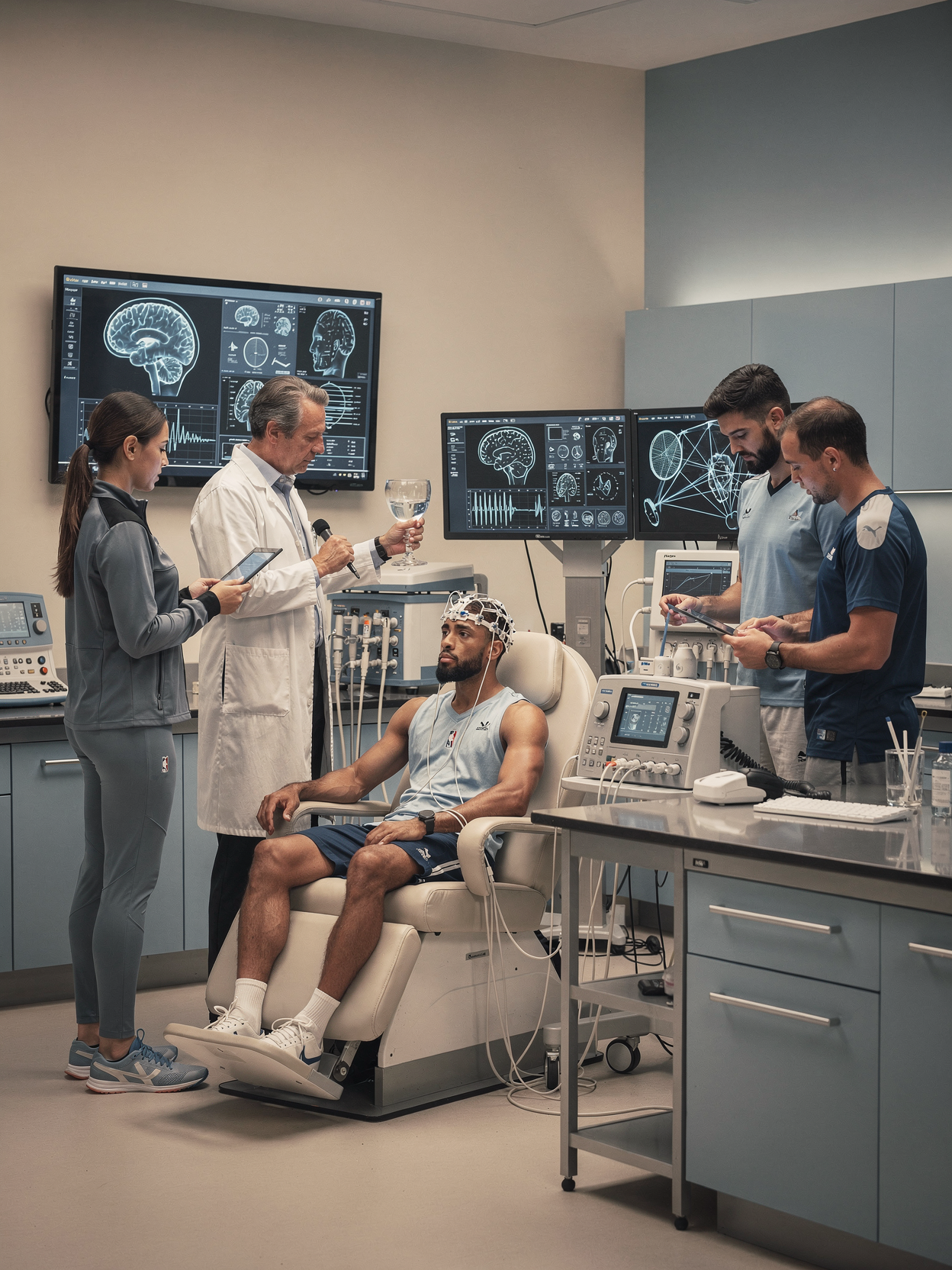
The sport neuroscientist represents one of the most innovative and sought-after figures in the contemporary sports landscape. These professionals apply neuroscience to athletic preparation, working on crucial aspects such as reaction times, decision-making under pressure, competitive stress management, mental visualization, and recovery from neurological injuries. They collaborate with professional athletes, national teams, and top-level clubs to optimize the cerebral component of sports performance.
The employment rate for sport neuroscientists is exceptionally high and rapidly expanding. Sports federations, professional football, basketball, tennis clubs, and other high-level sports are systematically integrating these figures into their technical staff. In the United States, the NBA, NFL, and MLB have all invested heavily in these professionals, while in Europe clubs like Bayern Munich, Real Madrid, Liverpool, and Italian Serie A teams are creating dedicated departments. The individual sports sector such as tennis, golf, and athletics also shows growing demand.
Regarding salaries, sport neuroscientists can count on very competitive compensation. In European professional sports clubs, salaries range from €50,000 annually for entry-level positions in minor sports up to €80,000-€120,000 for established roles in first-division teams. In the United States, where the sector is more mature, compensation is even higher: professionals working with NBA or NFL franchises can earn between $90,000 and $200,000 annually, with the most renowned professionals exceeding $250,000.
As independent consultants, high-profile sport neuroscientists can charge between €200 and €500 per hour for sessions with elite athletes, with some reaching even higher figures when working with Olympic champions or world-class stars. Many also combine clinical activity with applied research and training, diversifying income sources. The particularity of this profession is that it often includes significant additional benefits: international travel with teams, performance-related bonuses, very high-level networking opportunities, and media visibility that can open further professional opportunities.
Neuromanagement: Leading Organizations with Neuroscience
Neuromanagement applies neuroscientific discoveries to leadership, organizational decision-making, and human capital management. These professionals help companies create work environments that optimize employee well-being and productivity by understanding the neurobiological mechanisms of stress, motivation, and collaboration.
The sector is experiencing a period of particular expansion, with more and more companies seeking to integrate these skills into their HR departments and leadership positions.
The employment rate is excellent, particularly for professionals with a combination of neuroscience training and managerial experience.
Regarding salaries, neuromanagement consultants can expect competitive compensation: in Italy and Europe, entry-level positions start at around €35,000-€45,000 annually, while experienced professionals can earn between €70,000 and €120,000. In international markets such as the United States and United Kingdom, figures can be significantly higher, with senior consultants exceeding $150,000/£150,000 annually.
An Investment for the Future
A graduate or postgraduate degree in applied neuroscience represents today a strategic investment for those seeking a cutting-edge career, intellectually stimulating and with concrete prospects for professional and economic growth. The combination of scientific rigor and practical application makes these professionals particularly valuable in a job market that increasingly requires specialization and interdisciplinarity. Applied neuroscience is not a passing trend but represents a natural evolution of how we understand and optimize human potential in all contexts of professional and personal life. For young people looking to the future, this could be the most promising frontier to explore.