Research in applied neuroscience represents one of the most dynamic and promising fields of contemporary science, offering extraordinary opportunities to understand the human brain and develop concrete interventions that improve quality of life. For university students approaching this discipline, it's essential to understand the fundamental principles that guide modern neuroscientific research.
Why is Research in Applied Neuroscience Important?
Every day, millions of people worldwide live with neurological and psychiatric disorders: from Alzheimer's to Parkinson's, from depression to traumatic brain injuries. Research in applied neuroscience doesn't just study the brain in the laboratory, but translates scientific discoveries into practical solutions that can concretely change patients' lives.
Think, for example, about brain-computer interfaces that allow paralyzed individuals to control robotic prosthetics with their thoughts, or new brain stimulation techniques that offer hope to patients with treatment-resistant depression. These advances are born from applied research.
Different Types of Neuroscientific Research
Basic Research
Basic research explores the fundamental mechanisms of brain function. How do neurons communicate? How are memories formed? What molecular processes underlie learning? Although it may seem distant from practical applications, this research constitutes the indispensable theoretical foundation for all future developments.
Concrete example: Studies on neuroplasticity have demonstrated that the brain can reorganize itself even in adulthood, completely revolutionizing our approach to neurological rehabilitation.
Translational Research
This type of research bridges the laboratory and the clinic. Translational researchers take discoveries from basic research and develop them toward concrete clinical applications, testing whether a mechanism observed in animal models also works in humans.
Clinical Research
Clinical research directly involves human patients and includes clinical trials of new drugs, testing of neurostimulation devices, evaluation of rehabilitation programs, and much more. This is the ground where scientific hypotheses meet medical reality.
Applied Research
Focused on solving specific real-world problems, this research may involve developing better diagnostic tools, creating more effective therapeutic protocols, or designing innovative assistive technologies.
Methodologies and Tools of Modern Research
Neuroscience students today have access to extraordinary technological tools:
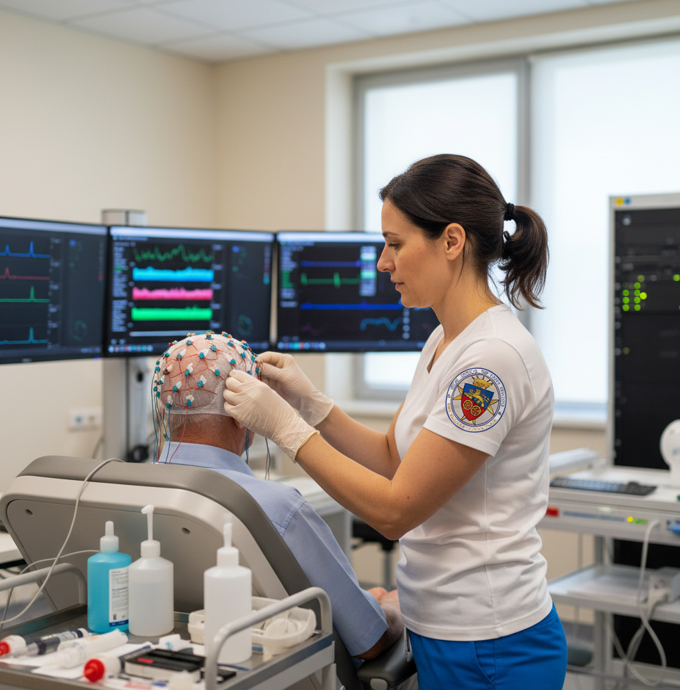
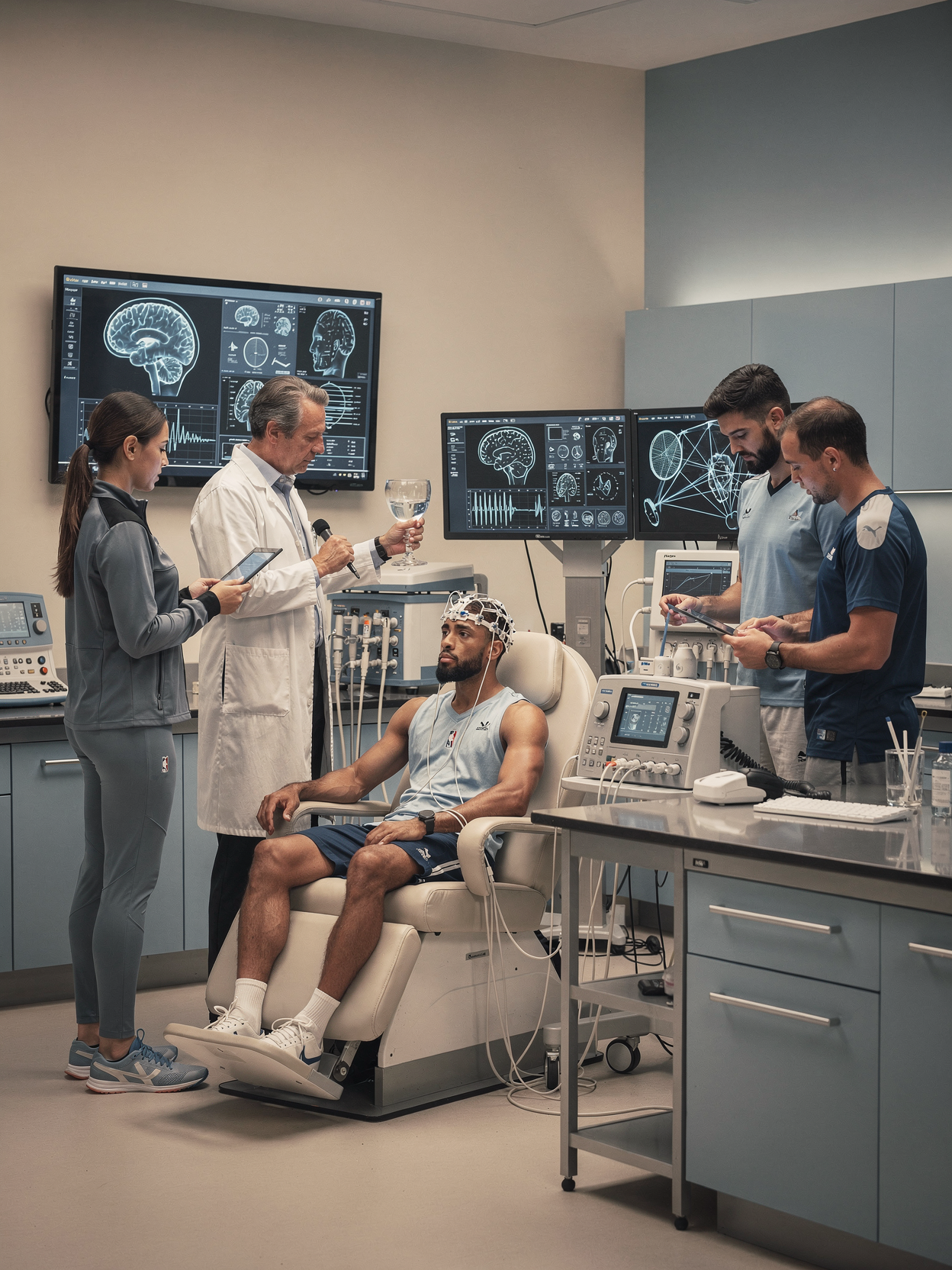
Neuroimaging: Techniques such as functional magnetic resonance imaging (fMRI), positron emission tomography (PET), and electroencephalography (EEG) allow us to visualize the brain in action, observing which areas activate during specific tasks or in response to stimuli.
Behavioral assessments: Cognitive tests, emotional assessment scales, and motor function measurements provide quantitative data on brain functioning.
Integrated approaches: The most advanced research combines multiple methodologies to obtain a more complete and multifaceted understanding of neurological phenomena.
The Ethical Dimension: A Fundamental Pillar
As future researchers, you must be aware that research in neuroscience raises profound and complex ethical questions.
Informed Consent
Participants must truly understand what they're consenting to. This becomes particularly delicate when research involves people with cognitive deficits, mental illnesses, or vulnerable populations such as children or the elderly. As researchers, we have the responsibility to ensure that consent is genuinely voluntary and informed.
Privacy Protection
Brain data is extremely personal. A brain scan can potentially reveal information about disease predispositions, personality traits, or cognitive abilities. Protecting this sensitive data is an absolute ethical imperative.
Risk-Benefit Balance
Every research intervention carries potential risks, from minimal radiation in imaging studies to more substantial risks of invasive procedures. These must be carefully balanced with potential benefits, both for individual participants and for society as a whole.
Equity and Access
Who participates in studies? Who will benefit from the discoveries? Ensuring diversity in research and equitable access to developed therapies is a matter of social justice that we cannot ignore.
Neurocognitive Enhancement
When research goes beyond treating diseases toward potentially enhancing normal functions - improving memory, attention, or mood in healthy individuals - we confront deep philosophical questions: What does it mean to be authentically human? How do we ensure equity in access to these technologies? What are the ethical limits of self-improvement?
Opportunities for University Students
If you're interested in entering the field of applied neuroscience research, here are some paths to consider:
Research internships: Many university laboratories welcome students for internships. It's a valuable opportunity to gain practical experience and understand if research is for you.
Thesis projects: Choose a thesis project that allows you to actively contribute to ongoing research, perhaps collaborating with hospitals or rehabilitation centers.
Interdisciplinary collaborations: Neuroscience is inherently interdisciplinary. Collaborate with students from psychology, biomedical engineering, computer science, philosophy, and ethics.
Conference participation: Presenting your work at scientific conferences is fundamental for developing communication skills and professional networking.
The Real Impact of Research
To understand the importance of applied research, consider these concrete examples:
- Deep brain stimulation, born from research on basal ganglia circuits, now helps thousands of Parkinson's patients regain mobility and quality of life
- Studies on neuroplasticity have led to the development of innovative rehabilitation therapies for stroke patients, demonstrating that recovery is possible even long after the acute event
- Brain imaging research has improved early diagnosis of neurodegenerative disorders, enabling more timely therapeutic interventions
- Cognitive neuroscience has informed evidence-based educational practices, helping students with learning disabilities
Essential Skills for the Future Researcher
To succeed in applied neuroscience research, develop:
Methodological rigor: Learn to design solid studies, collect accurate data, and analyze it correctly
Critical thinking: Question assumptions, critically evaluate literature, be skeptical but open
Technical skills: Familiarize yourself with statistical analysis software, neuroimaging tools, laboratory techniques
Communication abilities: Being able to communicate science to diverse audiences - fellow researchers, clinicians, patients, the general public - is fundamental
Ethical sensitivity: Develop a deep understanding of the ethical implications of your work
Collaboration: Modern research is increasingly collaborative; learn to work effectively in interdisciplinary teams
Conclusion: Your Role in the Future of Neuroscience
As today's university students, you are the researchers who will guide tomorrow's applied neuroscience. We live in an extraordinary time: technological tools are more powerful than ever, understanding of the brain is advancing rapidly, and opportunities to make a difference in people's lives are immense.
But with these opportunities come responsibilities as well. While pursuing scientific excellence, never forget the human dimension of your work. Behind every data point, every brain scan, every statistic, there are real people with hopes, fears, and needs.
Research in applied neuroscience calls you to be not only rigorous scientists, but also ethically aware citizens who use science to promote human well-being, respect every person's dignity, and build a more equitable and compassionate future.
What contribution will you make to this exciting field?