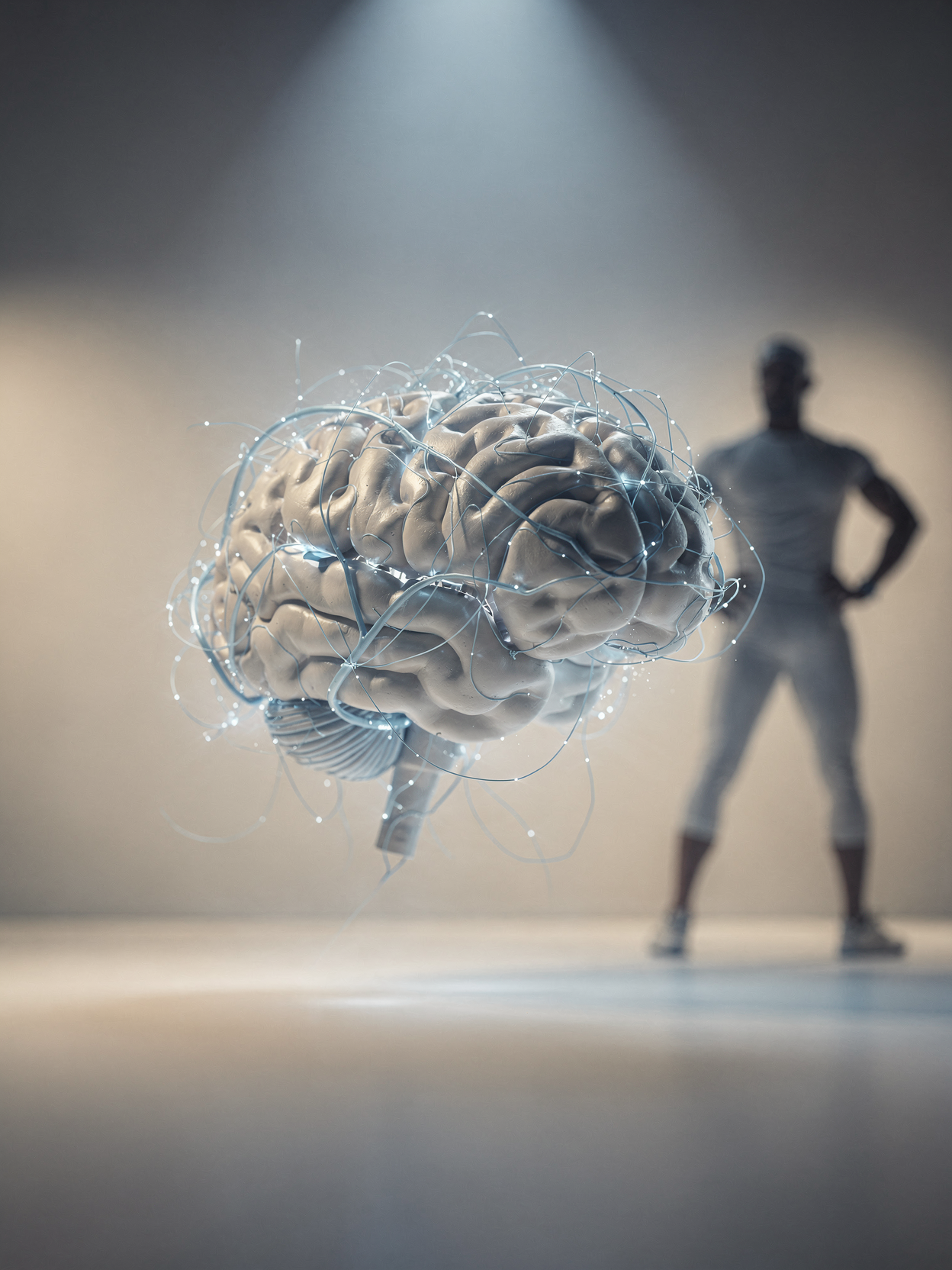
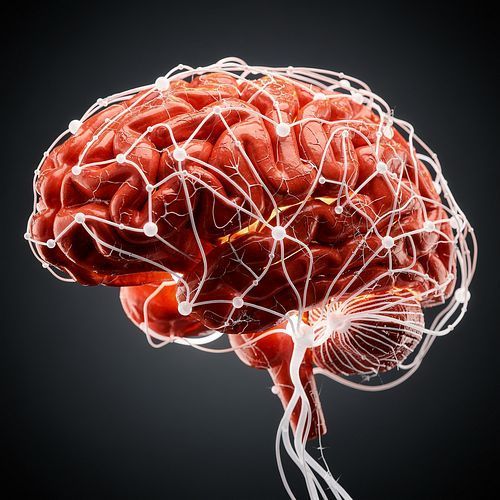
Modern neuroscience holds transformative potential when applied to sports, health, and performance.
By deepening our understanding of how the brain controls movement, motivation, and recovery, neuroscience offers innovative strategies to optimize athletic performance and overall well-being.
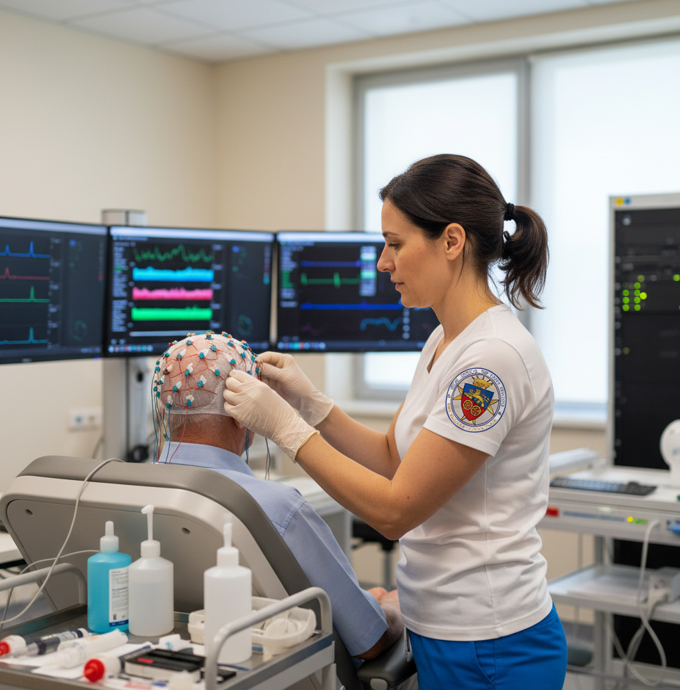
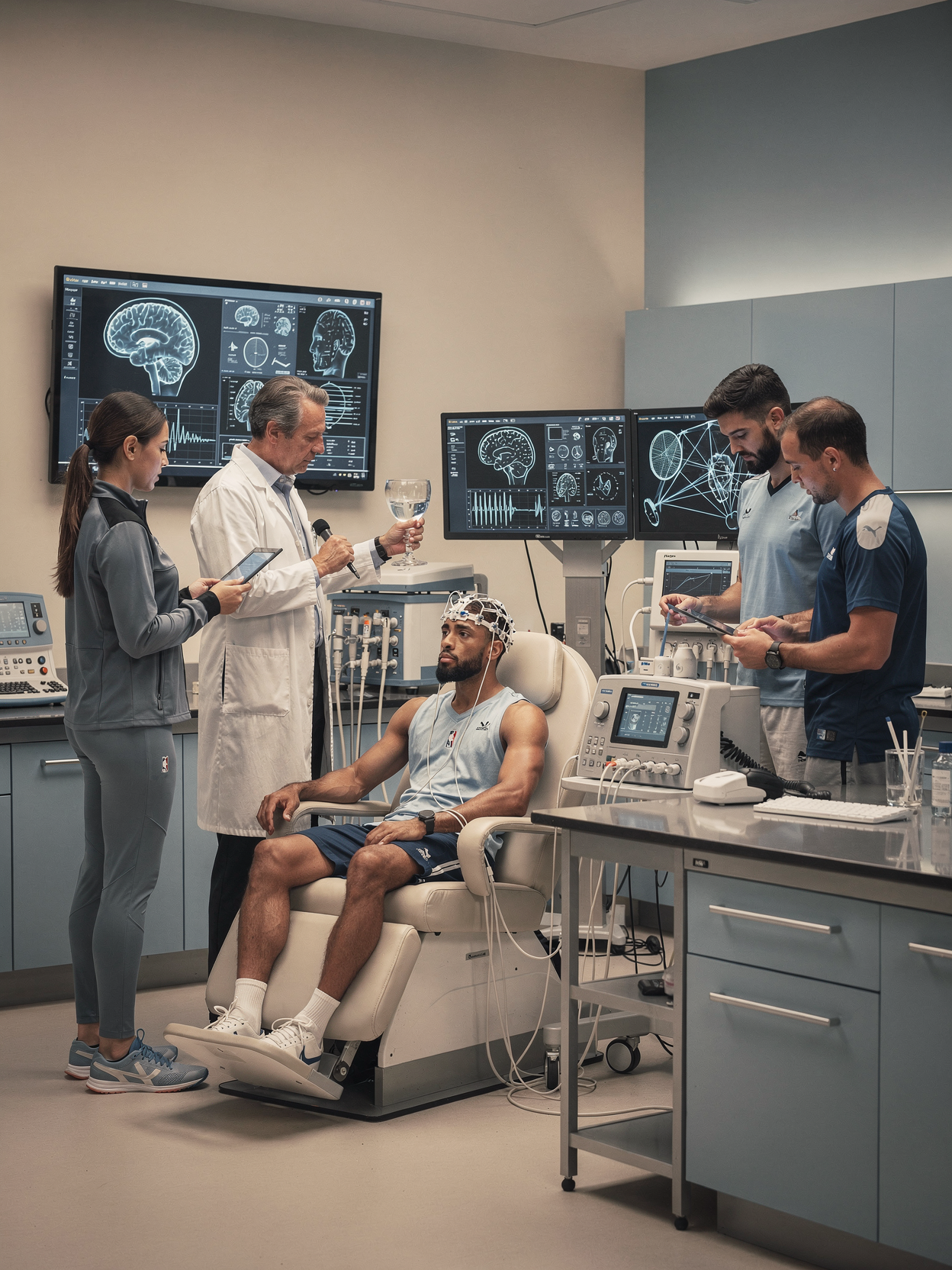
In sports, neuroscience helps in refining motor skills through brain training techniques, enhancing focus, reaction time, and decision-making under pressure. Techniques such as neurofeedback and brain stimulation are increasingly used to boost athletes’ mental resilience and reduce performance anxiety, leading to more consistent and peak performances.
From a health perspective, modern neuroscience contributes to injury prevention and rehabilitation by mapping brain-body connections and promoting neuroplasticity—the brain’s ability to adapt and heal. This insight allows for personalized recovery protocols that accelerate healing and reduce the risk of re-injury.
Moreover, neuroscience-driven approaches support mental health by addressing stress, fatigue, and motivation, which are crucial for sustaining long-term athletic engagement and overall vitality. Understanding the neural mechanisms behind habits and motivation can guide the development of more effective training regimens and lifestyle interventions.
In summary, the integration of modern neuroscience into sports and health paves the way for enhanced physical performance, faster recovery, and improved mental well-being, promising a future where athletes and individuals alike can unlock their full potential through brain-centered strategies.
In recent years, the intersection of modern neuroscience with sports and health has opened groundbreaking pathways—not only in how we understand human performance but also in the professional landscapes that support it. From elite athletes seeking to sharpen their mental edge to individuals aiming for holistic well-being, neuroscience-driven approaches are transforming the way we train, recover, and thrive. This fusion is also creating a new generation of specialized careers that blend brain science with athletic and health expertise, promising exciting opportunities for professionals and remarkable benefits for society.
The Transformative Power of Neuroscience in Sports and Health
Modern neuroscience delves deep into how the brain governs movement, motivation, focus, and recovery. Through advanced techniques such as neurofeedback, brain stimulation, and cognitive training, athletes can enhance their motor skills, reaction times, and stress management. This means more consistent peak performances and a significant reduction in performance-related anxiety.
Beyond performance, neuroscience plays a crucial role in health—especially in injury prevention and rehabilitation. Understanding neuroplasticity, or the brain’s ability to reorganize and heal itself, allows therapists to design personalized recovery protocols that accelerate healing and help prevent re-injury. Moreover, neuroscience-based strategies support mental health by addressing fatigue, motivation, and stress—key factors that influence long-term engagement in sports and overall vitality.
Emerging Professional Fields Shaped by Neuroscience
This dynamic integration of brain science and physical performance is driving demand for innovative professions that rethink traditional roles in sports and healthcare. Here are some of the most promising new career paths:
- Neuroperformance Coach:These experts create customized brain training programs to sharpen athletes’ cognitive skills, such as focus and decision-making, thereby enhancing competitive performance.
- Sports Neuropsychologist: Focused on the mental and cognitive aspects of sports, these professionals manage concussion recovery, build mental resilience, and develop motivation strategies tailored to athletes’ needs.
- Neurorehabilitation Therapist: Applying neuroscience principles, they accelerate recovery from injuries by promoting neuroplasticity, ensuring faster and safer returns to activity.
- Brain Fitness Consultant: They design programs that improve brain health and cognitive agility, benefiting not only athletes but also anyone seeking mental well-being and improved brain function.
- Cognitive Ergonomics Specialist: These specialists optimize training environments and equipment based on how the brain processes information, reducing mental fatigue and improving learning efficiency.
- Neurotechnology Developer: Innovators in this field create wearable devices and brain stimulation tools that monitor and enhance brain activity, providing real-time feedback for performance improvement.
- Performance Data Analyst: Using neurophysiological data, these analysts offer insights that enable coaches and medical teams to make evidence-based decisions about training and recovery.
- Neurotherapy Practitioner: Combining mindfulness with neuroscience, they help athletes manage stress and maintain peak mental health, fostering sustainable high performance.
The Future Is Brain-Centered
As neuroscience continues to illuminate the intricate connections between brain function and physical performance, the boundaries between science, sports, and healthcare will further blur. This evolution demands interdisciplinary expertise and offers professionals the chance to be at the forefront of a revolution in human potential.
Whether you are an athlete, coach, healthcare provider, or aspiring professional, embracing the neuroscience perspective opens doors to innovative methods and career opportunities that prioritize personalized, brain-centered approaches. By harnessing the power of the brain, we are not just enhancing performance—we are redefining what it means to be healthy, resilient, and truly capable.
Embracing these advances is more than a trend—it’s a paradigm shift. The future of sports, health, and performance lies in understanding and training the brain as much as the body. For professionals ready to lead this change, the opportunities have never been greater.